High-Protein Vegetarian Meals That Actually Fill You Up
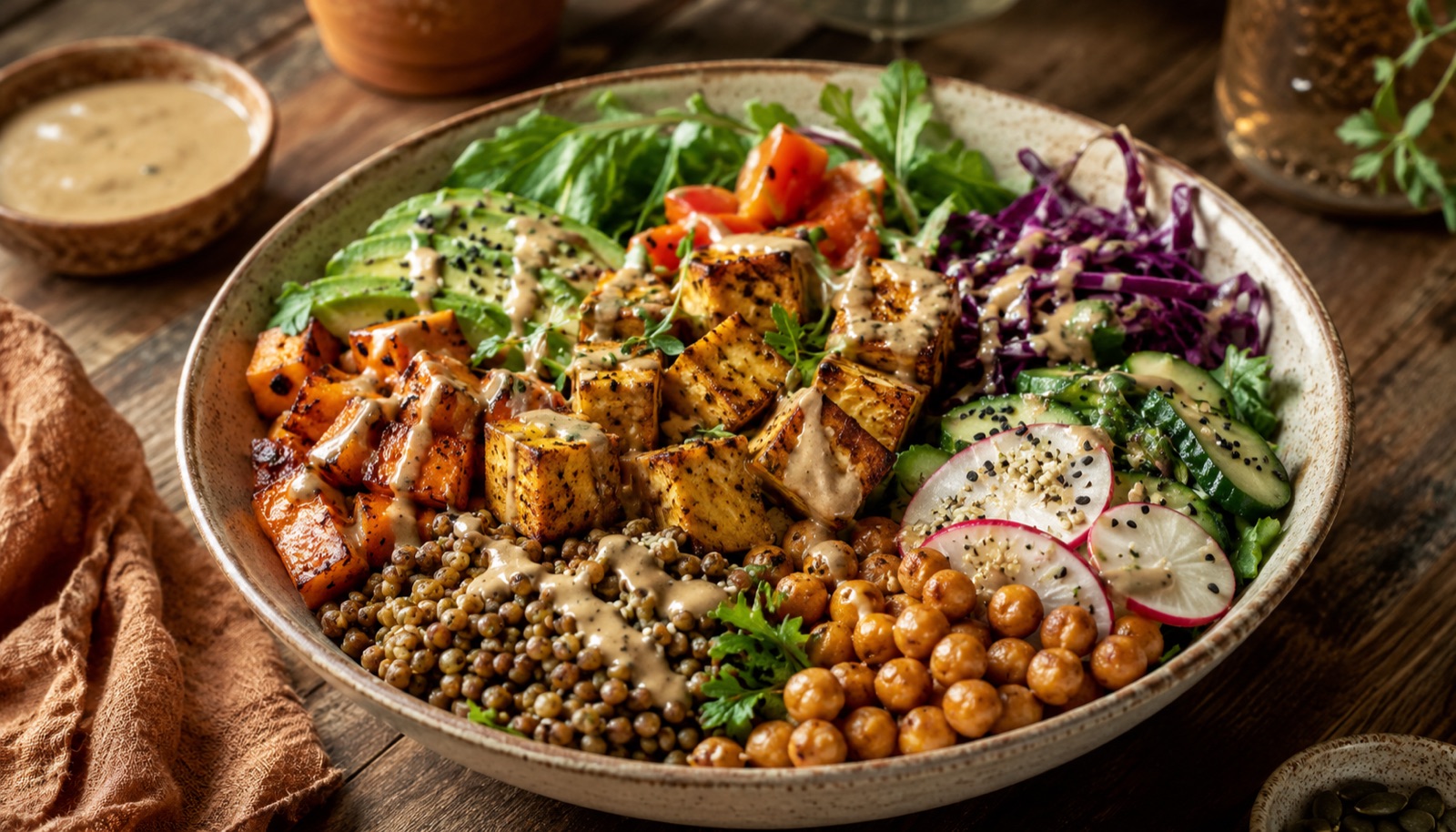
The complaint about vegetarian food is that it leaves you hungry an hour later. That’s almost always a protein problem, not a vegetarian one. Build a plate around a real protein source and it’s as filling as anything.
This hub collects the approaches and creators that get it right — embedded below from their public posts — plus our notes on the numbers.
Half the reels we save never get cooked. Cookonut turns a shared post into a recipe you can actually follow.
Build around a protein anchor
Every filling vegetarian meal starts with one decision: what’s the protein anchor? Lentils, chickpeas, tofu, tempeh, eggs, Greek yoghurt, paneer. Pick one, build the rest around it, and the “still hungry” problem disappears.
Our note: Roughly, a cup of cooked lentils is ~18g protein; a block of firm tofu is ~20g; a cup of Greek yoghurt is ~20g. Two anchors per plate gets you there.
Tofu, made worth eating
Most people who “don’t like tofu” have only had it boiled. Pressed, seasoned, and properly crisped, it’s a different ingredient. The post below shows the texture you should be aiming for.
Our note: Cornstarch on pressed tofu before frying is the single biggest upgrade to the crust.
A lentil dish to keep in rotation
A pot of well-spiced lentils is the most reliable high-protein vegetarian dinner there is — cheap, freezes well, and better the next day.
Where to go next: batch-cook one anchor (lentils or tofu) on Sunday and you’ve made three weeknight dinners trivial.
Batch-cooking only works if you can shop from the recipe — which a video isn’t. We wrote up how to save an Instagram recipe so you can shop from it.
Frequently asked questions
How much protein can a vegetarian meal realistically have?
A bowl built on legumes, tofu or dairy plus a grain can easily reach 25–35g of protein — comparable to a meat-based plate.
Do I need protein powder?
No. Whole foods — beans, lentils, tofu, tempeh, eggs, Greek yoghurt, paneer — cover it. Powder is optional, not required.